



Those caught with it could face six months in jail and a $1,000 fine.
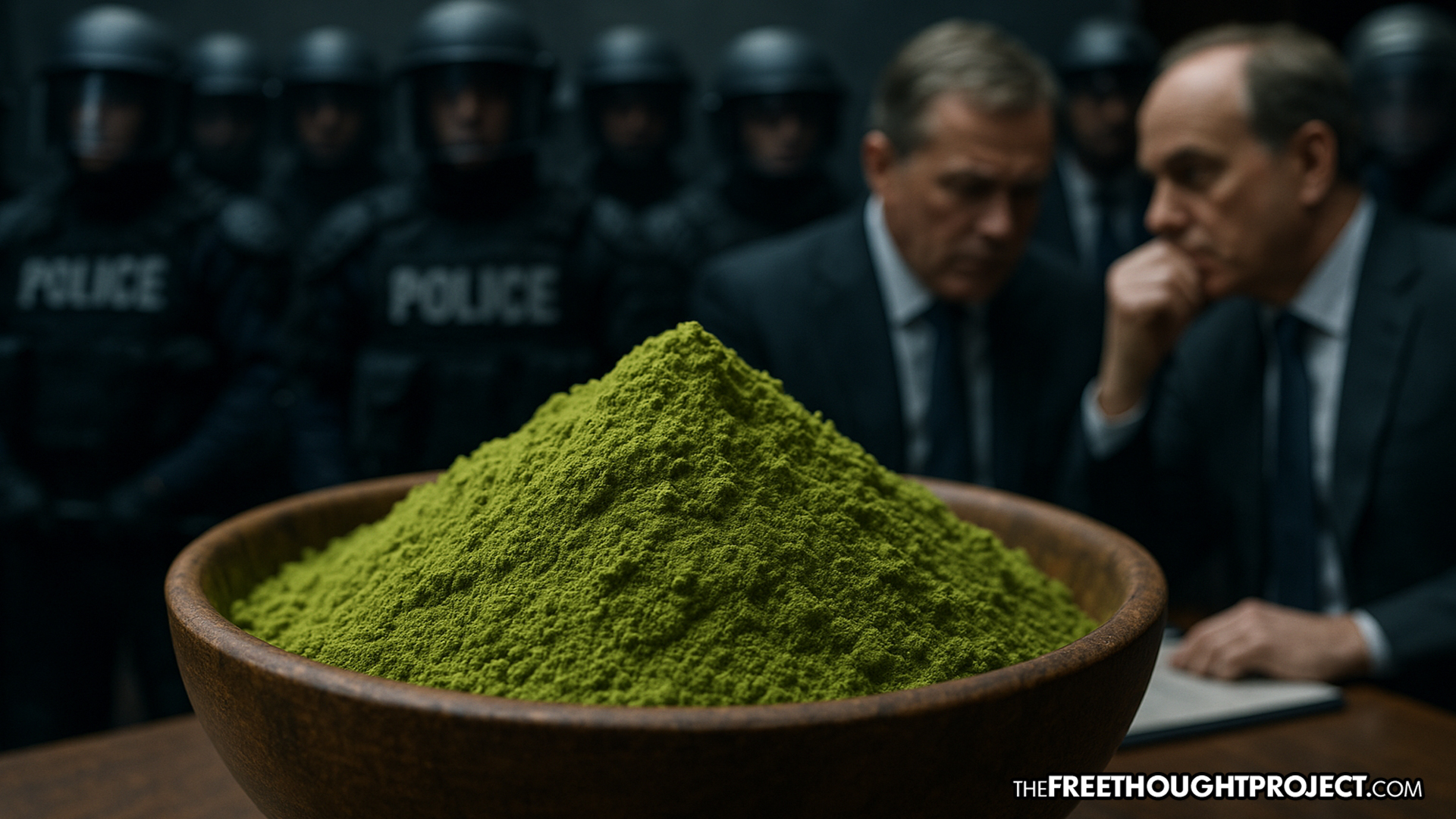
This Friday, August 1, 2025, Louisiana will criminalize a leaf. Not fentanyl. Not meth. Not synthetic opioids that kill over 100,000 Americans every year. No, lawmakers have decided to outlaw kratom — a safe, natural plant in the coffee family — and those caught with it could face six months in jail and a $1,000 fine.
To understand the full weight of this insanity, you have to peel back the curtain on the drug war’s real purpose. It’s not about keeping people safe. It’s about criminalizing autonomy. It’s about corporate profits, institutional control, and punishing people for the crime of treating themselves outside of state-approved chemical dependency.
Kratom isn’t the threat. The threat is what it replaces.
The Lie That Keeps Killing
For years, scientists, doctors, and hundreds of thousands of kratom users have warned the federal government: ban this plant, and opioid deaths will rise.
In 2018, a group of scientists wrote to the DEA and White House, blasting the FDA's push to classify kratom as a Schedule I drug. They made it clear: kratom, when used in its natural form, does not cause respiratory depression — the primary cause of death in opioid overdoses. More importantly, the plant has become a lifeline away from opioids for millions.
“Placing kratom into Schedule I will potentially increase the number of deaths of Americans caused by opioids,” the scientists warned, adding that the FDA’s data blaming kratom for dozens of deaths was riddled with inconsistencies, co-ingestions, and zero proof of causation.
In fact, many of those “kratom deaths” were linked to adulterated products, synthetic extracts, or pre-existing conditions — not the raw plant. One such alkaloid, 7-hydroxymitragynine (7-OH), has been artificially concentrated in some unregulated kratom extracts to mimic opioid-like effects, but this is not kratom. This is corporate bastardization — the same playbook used to demonize cannabis while pushing synthetic THC.
From Pain Relief to Prison Cells
Louisiana isn’t the first state to launch an assault on this plant. And we already know what happens when they do. Two names stand out: Shaina Brown and Marshall Price.
In April 2023, Shaina Brown was arrested just 200 feet after crossing into Alabama from Florida, where she legally purchased kratom. She didn’t know it was banned across the border. She harmed no one. Yet she was thrown in jail, denied a preliminary hearing, and slapped with a bond higher than people charged with assault, sexual abuse, and even homicide — $1,000,000 — all for a handful of kratom tea powder.
She now faces a significant amount of time in a cage.
Then there’s Marshall Price. He bought kratom legally in Missouri, returned to Arkansas, and was sentenced to 10 years behind bars. He never got the chance to serve that time. He died in jail, his body showing signs of a ruptured spleen, broken ribs, brain stem trauma, and massive internal injuries. Officials claimed it was a “boxing match.” Eyewitnesses say otherwise.
No charges have been filed in his death.
These aren’t rare cases. They’re the inevitable outcome of a system designed to cage and control.
The FDA, Big Pharma, and the Real War on Drugs
Why would the state go to such lengths to criminalize a plant that helps people kick opioids, manage pain, and live better lives?
Follow the money.
Before taking over the FDA and using his power to target kratom, former commissioner Scott Gottlieb sat on the product investment board of GlaxoSmithKline. As fate would have it, GSK holds a patent for one of kratom’s alkaloids — Speciofoline — specifically for use in pain relief. Other patents have been filed to use kratom’s compounds to create synthetic opioids for withdrawal treatment. But those patented drugs are only profitable if the real plant is illegal.
From 2008 to 2016, researchers synthesized multiple opioids from kratom’s alkaloids — MGM-9, MGM-15, MGM-16 — with the goal of building patentable pain medications. One such 1964 patent described Speciofoline as having “analgetic and antitussive activity.” Another application from the University of Mississippi explicitly states that kratom can treat opioid withdrawal.
Let that sink in.
The federal government’s position is that kratom has no medicinal value, but its agencies and their corporate partners have filed patents for the exact opposite.
Media Propaganda and Manufactured Panic
It’s not just the FDA and the DEA. The mainstream press plays its part too. When a Florida woman named Krystal Talavera died after consuming a strong kratom extract called “Space Dust,” the headlines screamed “kratom death.” What they didn’t mention: Talavera had life-threatening pre-existing conditions, and the product she consumed was a highly potent extract, not the natural leaf.
Her autopsy revealed heart, liver, and kidney issues, as well as a likely genetic predisposition to heart disease. But media outlets ignored that. They didn’t differentiate between full-spectrum kratom and a concentrated alkaloid slurry in a bag labeled with a Sharpie. Instead, they handed the drug war another talking point and gave the green light to more raids, more arrests, more ruined lives.
What’s Really Being Banned
Make no mistake: this isn’t about kratom. This is about control. It’s about locking people in cages for daring to self-medicate with a plant instead of a pill. It’s about clearing the market for pharmaceutical clones. And it’s about keeping the drug war alive, no matter how many bodies pile up.
If Louisiana lawmakers gave a damn about public health, they’d be banning OxyContin — not kratom. They’d be protecting users from tainted extracts, not throwing peaceful citizens in jail for plant matter. They’d be listening to scientists, not lobbyists.
Instead, they’ve decided to hand even more power to the police state — criminalizing countless individuals overnight, turning wellness seekers into felons, and sentencing the most vulnerable to a return to opioids.
And if you think this ends with Louisiana, you haven’t been paying attention.
The Time to Resist Is Now
Shaina Brown sits in legal limbo. Marshall Price is dead. And countless others face arrest, prosecution, and imprisonment — not for committing a crime, but for using a natural remedy that threatens a trillion-dollar addiction industry.
This is not the beginning of America’s descent into authoritarian drug policy. It’s a continuation.
From the war on cannabis to the DEA’s full-frontal assault on kratom, the U.S. government has always criminalized sovereignty over one’s own body — especially when it threatens corporate profits. And it always will, unless we stop playing along.
The people of Louisiana deserve better. So do Shaina, Marshall, and every other victim of this senseless, rigged, and deadly war on plants.
Take action. Share this story. Support the victims. And never stop calling out the tyranny that hides behind public health.
Because if they can outlaw a tea leaf, they can outlaw anything that makes you free.
