

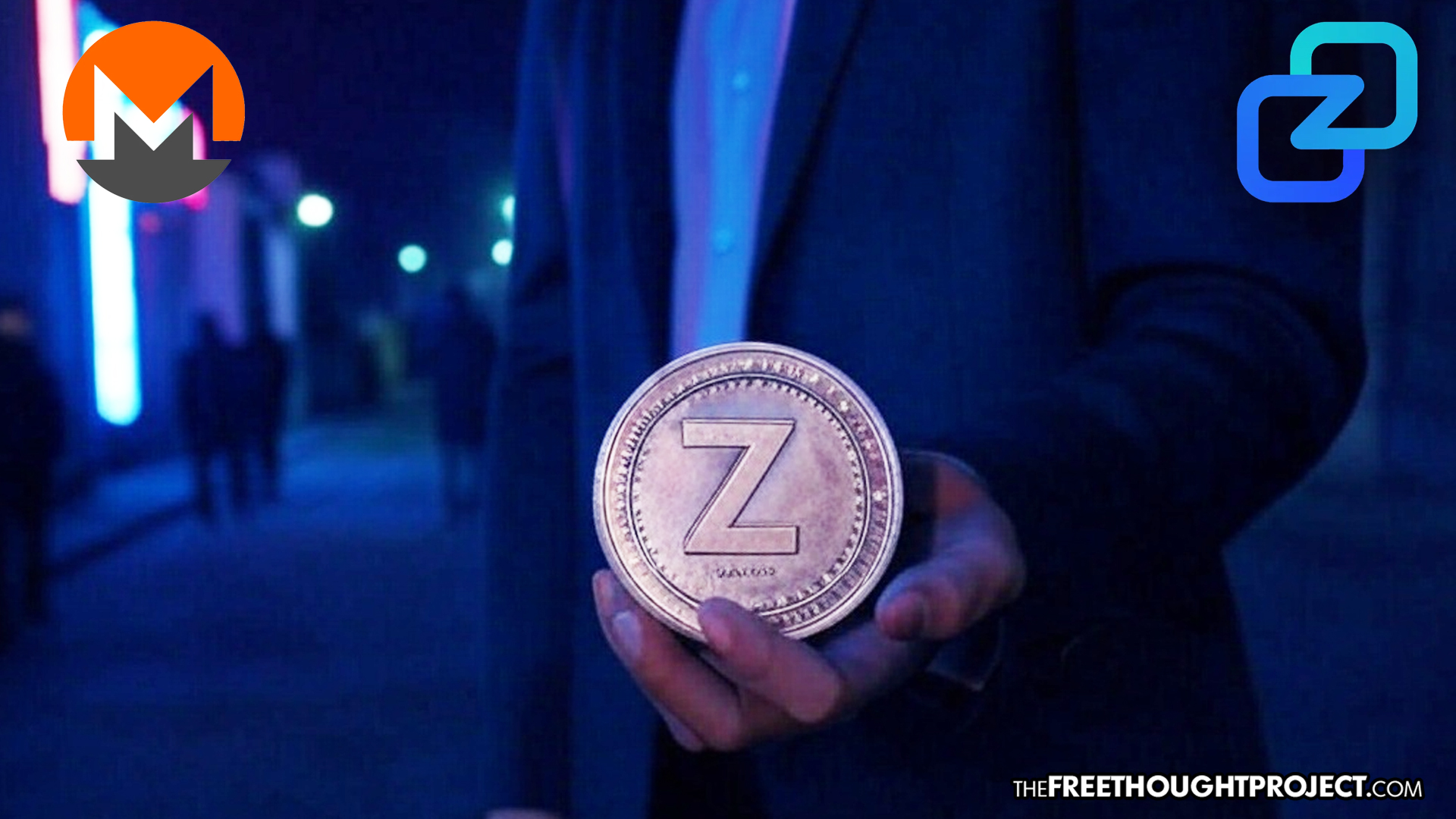


If you thought government overreach in the financial system was bad before, just wait
The federal government is tightening the noose on financial freedom. With the expansion of Real ID, digital surveillance, and the war on cash, it's becoming increasingly clear that decentralized, untraceable digital assets are one of the last defenses against total financial control. Enter privacy coins—cryptocurrencies designed to protect financial sovereignty, anonymity, and independence from the prying eyes of the state.
As the government ramps up efforts to track, trace, and control financial transactions under the guise of "security" and "anti-money laundering" measures, privacy coins are becoming more important than ever. And just like those who pushed back against state-controlled money before, the war on financial privacy is already creating its first political prisoners—Roger Ver and Ian Freeman being among them.
The Digital Panopticon: Why Privacy Coins Are Needed Now More Than Ever
If you thought government overreach in the financial system was bad before, just wait—the federal rollout of Real ID and the push toward centralized digital ID systems will soon make anonymous transactions a relic of the past. From banking to online access, the idea of a "cashless society" isn’t just about convenience—it’s about control.
And when control is the goal, privacy is the enemy. The crackdown has already begun.
Governments worldwide have been targeting privacy coins for years, attempting to delist them from exchanges, smear them as tools for criminals, and regulate them out of existence. In the U.S., multiple agencies have launched investigations into privacy-focused cryptos, while Europe is moving full speed ahead with its Digital Identity Wallet initiative, ensuring every financial transaction can be tracked, tied to a digital ID, and monitored in real time.
What happens when access to financial services is contingent on "good behavior"—as determined by the state?
That’s exactly why privacy coins exist.
Zano: The Next Evolution of Private Money
While Monero and Zcash have long been leaders in privacy coin development, Zano is taking things even further. With its Zarcanum hard fork, Zano has implemented RingCT, hidden amount Proof-of-Stake, and untraceable transactions by default, making it one of the most advanced privacy-focused cryptocurrencies on the market. Unlike Bitcoin, where transactions are permanently visible and traceable, Zano ensures total anonymity—no one can see your balance, your transactions, or even whether you're transacting in Zano itself.
With governments pushing hard for CBDCs and centralized stablecoins—digital currencies that can be frozen, censored, or tied to social credit systems—privacy coins like Zano aren’t just an option, they’re a necessity. The very thing that makes Bitcoin a valuable store of value also makes it a terrible tool for financial freedom: surveillance is built in.
The War on Financial Freedom and Its Victims
Anyone who believes the state won’t go after individuals who try to use alternative currencies isn’t paying attention. The financial war is already claiming casualties.
Roger Ver, once known as Bitcoin Jesus, has been targeted for years, and now faces extradition on trumped-up tax charges. His real crime? Promoting voluntary, decentralized financial freedom outside the traditional banking system. Ian Freeman, a radio host and liberty activist, was convicted and sentenced to eight years in prison for helping people buy Bitcoin without the government's permission. The state’s excuse? Money laundering. His real crime? Refusing to comply with the government's war on financial privacy.
The message from the government is clear: if you don’t comply, they will come for you.
The Future of Financial Freedom: What Comes Next?
With CBDCs, stablecoins, and centralized financial tracking systems looming, the need for financial privacy is greater than ever. But the war on privacy coins isn’t just about crypto—it’s about control.
The government wants every transaction monitored. Every payment traced. Every financial decision tied to your digital identity. Without privacy coins, there is no way to opt out of the system.
While Bitcoin and Ethereum have their place in the financial revolution, their lack of privacy makes them vulnerable to state control. That’s why privacy coins like Zano, Monero, and Zcash are more than just investments—they are acts of financial resistance.
If you want to maintain control over your own money in the coming age of digital financial surveillance, privacy coins are no longer an option—they are a necessity.
The battle for financial sovereignty is already here. The only question is: will you fight or comply?
