

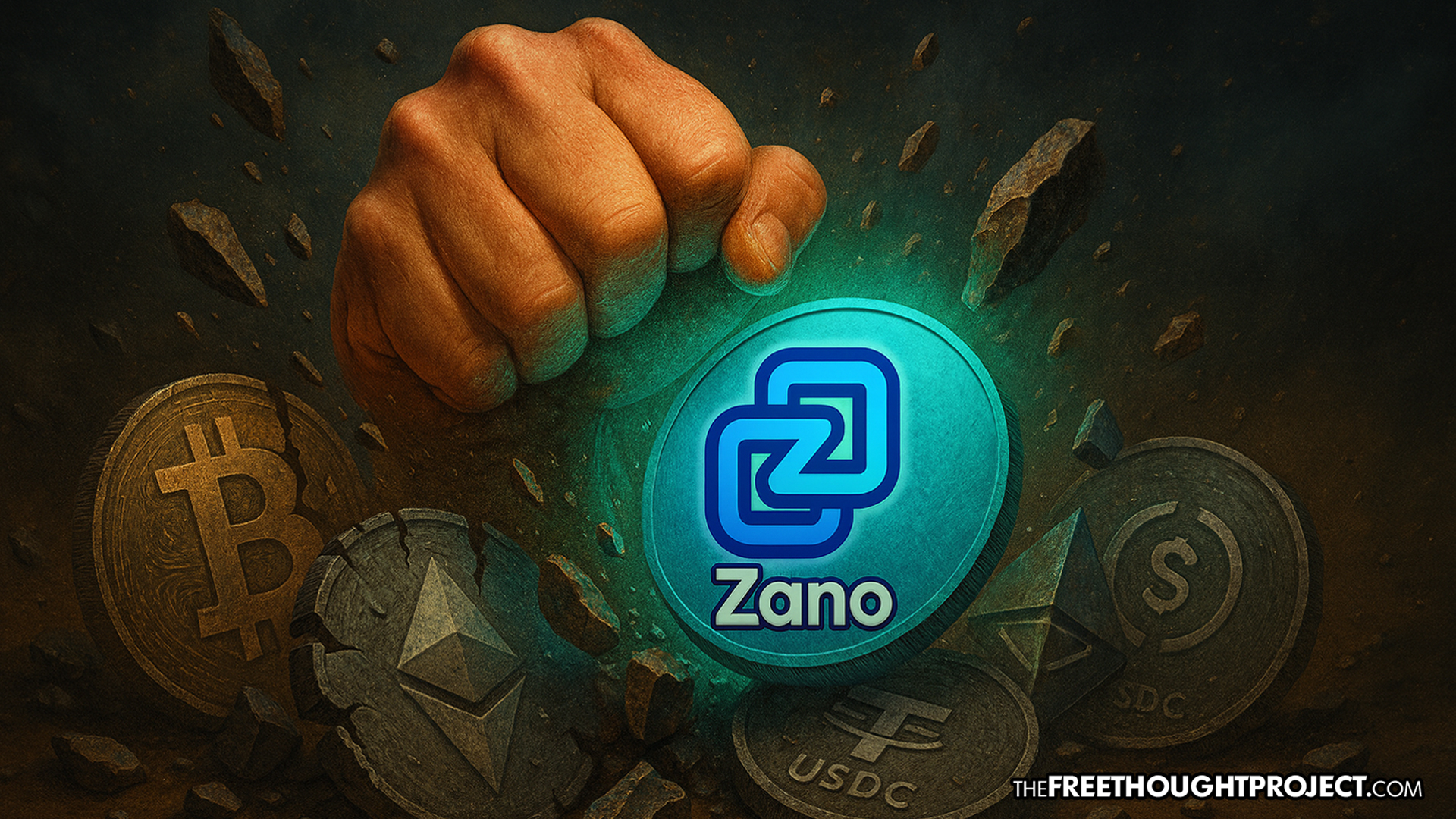


Searches for privacy crypto are surging while regulators push surveillance coins.
For years, the dominant narrative in crypto has been scale, speculation, and surveillance. Public blockchains were framed as radical transparency. And transparency does matter—for holding governments, corporations, and institutions accountable. But when it comes to your money, transparency is surveillance by design. The tide is shifting. Interest in privacy is climbing again, and this time the tools are real, usable, and shipping fast.
One of the clearest signals came from Zano. Coverage recently described Zano’s price action as a breakout for the privacy sector—price following fundamentals, not hype. The surge isn’t just about charts. It reflects a broader adoption curve: privacy as a necessity, not a niche.
Search behavior backs it up. Google Trends data shows global interest in “privacy coins” has ripped to multi-year highs, with multiple trackers noting an all-time high reading around August 20. CoinStats, Coinspeaker, and MEXC all reported the surge.. That’s happening even as generic “alt season” searches swing wildly—people aren’t just chasing hype; they’re looking for privacy.
Why the sudden urgency? Because the alternative is surveillance money. In the last few years alone, stablecoin issuers froze funds on command over and over again: Tether froze $225M, then another $46M, and another $160M. USDC/Centre froze $100K and blacklisted Tornado Cash-linked contracts. That’s what “permissioned money” looks like in practice.
Washington is now formalizing that posture. The GENIUS Act creates a federal framework for “permitted payment stablecoin issuers,” placing them under OCC or primary bank oversight and hard-wiring BSA/AML compliance—exactly the chokepoints that make freezing and blacklisting trivial at the issuer layer. The law is being sold as clarity, but the model is still centralized control over user funds. Democrats and Republicans both backed it, which should tell you everything. They only agree on war, spending, and the police state.
That’s the backdrop for Zano’s rise—and why it matters. Zano’s Zarcanum upgrade turned it into a full privacy platform, not just a coin. It hides amounts, asset types, and senders with Confidential Assets, RingCT, and stealth addresses; everyday users can transact with human-readable aliases. The cryptography is documented in Zano’s Confidential Assets paper, and the implementation is in production—not in a whitepaper graveyard.
The rails are catching up to the moment. Edge Wallet and Cake Wallet both integrate Zano, including aliases and Confidential Assets. Private stable value is real via fUSD, giving users stability without surrendering privacy. And Zebec has added ZANO to its card stack, letting you keep spending private on-chain while still tapping practical off-chain rails.
Meanwhile, the connective tissue is in place. The Confidential Layer lets you move from public chains to Zano privately and non-custodially, then back out when you choose. You lock assets on the source chain, a decentralized witness network attests, and you receive a private twin on Zano—without handing custody to a middleman. It links public to private, not just public to public.
Momentum is visible across the board. The June Zano update showed steady progress on the Trade app, grants, and integrations. This isn’t marketing gloss; it’s shipped code and a growing user base. That’s why coverage now frames Zano as a breakout privacy play rather than a speculative ticker.
And here’s the point: every new blacklist, freeze, or “compliance” victory for permissioned money pushes more people toward tools that can’t be switched off. The GENIUS Act may be the state’s big move to domesticate crypto, but users are counter-moving—adopting privacy wallets, private stable value, and bridges that keep keys with the user. We’re not losing this fight; we’re routing around it.
What’s next: Zano’s building forward—more apps, more integrations, more developer grants—and Confidential Layer is adding networks and capabilities over time. The direction of travel is clear: public when you want it, private when you need it, and custody that never leaves your hands.
The surveillance crowd will keep pushing total visibility. Adoption shows people are done asking. Privacy is winning because it works. Zano’s potential breakout is the signal—the story is that the tools are here, and people are using them.
