



If Trump is serious about creating meaningful, lasting change, the pardons must keep coming.
On Tuesday, former President Donald Trump made waves when he finally delivered on a long-standing promise to pardon Ross Ulbricht, the founder of the Silk Road. As we reported earlier this week, Ross is finally free after more than a decade of unjust incarceration for the “crime” of creating an online marketplace. Ulbricht’s case has always been a glaring example of government overreach, where the punishment far exceeded any reasonable measure of justice.
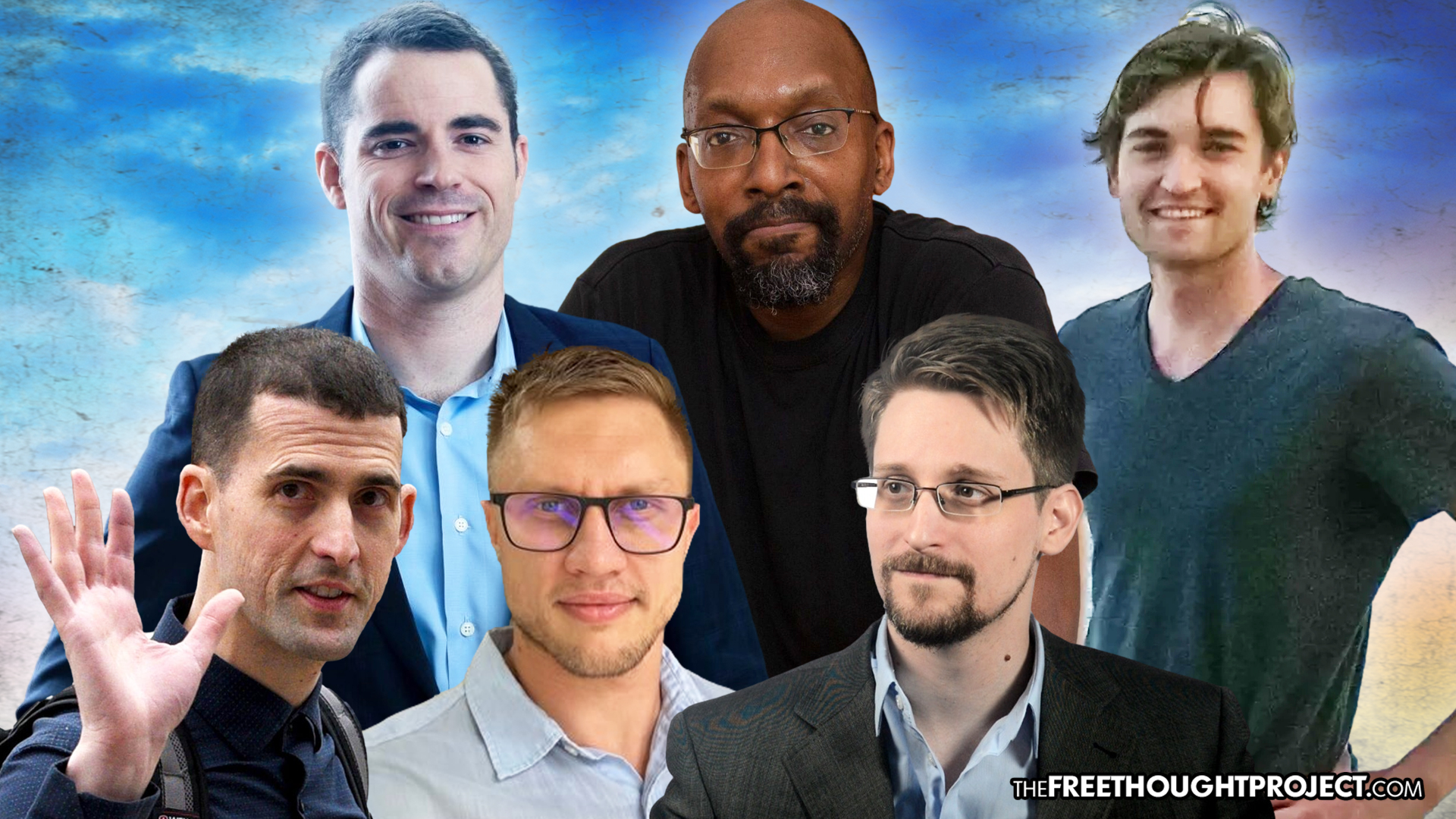
While Ross’s release is a monumental victory, it is just the beginning. If Trump is serious about creating meaningful, lasting change, the pardons must keep coming. There are countless people unjustly languishing in prison or facing prosecution for victimless crimes—cases that highlight the state’s abuse of power and its war on those who dare to challenge it.
Here are five individuals who should be next on Trump’s list of pardons.
1. Roman Storm
Roman Storm, a developer associated with Tornado Cash, has been caught in the crosshairs of federal regulators for creating software that helps people protect their financial privacy. Tornado Cash, a crypto mixer, was sanctioned by the U.S. Treasury for allegedly facilitating money laundering. However, as critics have pointed out, Tornado Cash is software, not a person, and cannot itself commit crimes.
A federal appeals court recently ruled that the sanctions against Tornado Cash were unlawful, stating that the smart contracts at its core are not “property” and cannot be owned or regulated in the way the government claims. Despite this, Roman Storm faces a legal nightmare simply for helping create a tool that gives people control over their financial autonomy. As Ethereum founder Vitalik Buterin said, "You created Tornado in significant part because of my suggestion that it is something worth building. It would violate basic honor for me to do that, and then fail to support you in your hour of need. In Ethereum we protect our own, and uphold our honor."
The persecution of Storm serves as yet another warning from the state: challenge its authority, and it will make you pay, even if your actions harm no one.
2. Dexter Taylor
Dexter Taylor, a Brooklyn-based software engineer, is serving a staggering ten-year prison sentence in New York for the “crime” of building unregistered firearms, labeled by statist fearmongers as “ghost guns.” Despite the Second Amendment being crystal clear on Americans’ right to bear arms, Taylor’s case exemplifies how state governments trample over constitutional protections.
Taylor, who had no prior criminal record, argued that his actions were fully protected under the Constitution. “The law of the land is clear,” Taylor stated. “I’d like to have my conviction reversed.” His lawyer, Vinoo Varghese, pointed out the absurdity of Taylor’s harsh sentence, noting that “people convicted of manslaughter or molesting children are going to get out earlier than Dexter Taylor.”
The injustice of Taylor’s case is undeniable, and it’s part of a broader effort by the state to erode Americans’ Second Amendment rights under the guise of “public safety.”
3. Edward Snowden
It should come as no surprise that Edward Snowden is on this list. Snowden’s revelations about the NSA’s global surveillance program changed the world. By exposing the U.S. government’s unconstitutional mass spying on its own citizens, Snowden sparked a global conversation about privacy and human rights. Despite his heroism, Snowden remains in exile in Russia, unable to return home without facing up to 30 years in prison under outdated espionage charges.
As The Free Thought Project has extensively documented, Snowden’s whistleblowing wasn’t an act of betrayal—it was an act of courage. He exposed abuses of power that continue to impact us all, yet the U.S. government treats him as a criminal for daring to hold it accountable.
Snowden’s case is a stark reminder of how the state punishes those who reveal its crimes while protecting those who commit them.
4. Ian Freeman
Ian Freeman, a libertarian radio host and pastor for the Shire Free Church, is serving years behind bars for helping people buy Bitcoin. Freeman’s case is part of a broader crackdown on cryptocurrency and its potential to undermine the state’s monopoly on money. Despite going to great lengths to follow the law, Freeman was convicted on charges of money laundering, tax evasion, and operating an unlicensed money-transmitting business.
Freeman’s real “crime” was giving people a way to escape the oppressive grip of centralized financial systems. The government even admitted it had no evidence Freeman conspired with fraudsters but prosecuted him anyway, using his meticulous record-keeping against him in court.
As Freeman himself said, “The irony is, my KYC records were used against me at trial. The feds had no idea who these people were prior to raiding my house and then got their info from my own computer. I had no idea they were victims of scams.”
5. Roger Ver
Known as “Bitcoin Jesus,” Roger Ver has been a pioneer in the cryptocurrency world, advocating for economic freedom and decentralization. Today, Ver faces up to 109 years in prison for alleged tax violations tied to his early Bitcoin investments. The case against him sets a chilling precedent, as it hinges on the government’s unprecedented breach of attorney-client privilege—using records from his own lawyers against him.
Ver’s persecution is emblematic of the state’s vendetta against those who challenge its financial authority. As constitutional lawyer Robert Barnes noted, this case threatens every American who relies on legal counsel. “Seeking legal advice becomes evidence of guilt,” Barnes warned, highlighting the dangerous implications of Ver’s prosecution.
Roger Ver’s contributions to advancing human freedom are immeasurable, and his unjust prosecution must end. As Aaron Day discussed on our podcast, this case is a rallying cry for those who believe in challenging financial tyranny.
The Time for Justice Is Now
Rapists, murderers, and child molesters often serve less time than the sentences handed down to people like Dexter Taylor and Ian Freeman. The state’s disproportionate response to these cases exposes a deeper issue: a government more concerned with punishing dissent than protecting its citizens.
Ross Ulbricht’s pardon was a victory, but it’s just one step. If Trump—or any leader—is serious about dismantling the machinery of injustice, these five individuals must be freed. Their cases are a rallying cry for anyone who values liberty, justice, and the right to challenge authority.
Let’s keep the fight going.
